Pulque in Central Mexico — Sap, Ferment, and Festival Rules
TL;DR
Fermented maguey sap (pulque) flowed through highland Mesoamerica’s economy and rituals: tapped from agave, fermented within hours, served at festivals under strict rules—and never far from politics, tribute, and identity.
Snapshot
- Region / Culture: Central Mexico (Valley of Mexico), Mexica/Aztec with earlier highland roots
- Period: Strongly attested Late Postclassic (c. 1200–1521 CE), with earlier use in some highland contexts
- Drink(s): Pulque (maguey/agave sap ferment; curados = flavored variants)
- Evidence types: Ethnohistory (e.g., Sahagún), codex imagery, production tools/contexts, installation remains, vessel forms
- Context of use: Festivals, oath-taking, healing/ritual, market sales, and hospitality; everyday use circumscribed by law and custom
What the evidence shows
- Ethnohistoric detail: Descriptions of tapping maguey and fermenting sap; named deities (e.g., Mayahuel, the Centzon Totochtin “400 rabbit” spirits associated with intoxication); sumptuary rules limiting who, when, and how much.
- Iconography & texts: Codices depict maguey, pulque jars, and festival drinking; scenes of froth and offerings parallel other beverage iconography.
- Archaeology: Production/serving contexts include plastered or ceramic tinacal spaces (fermentation rooms), large jars, gourd dippers (jícara), and siphon gourds (acocote) used by tlachiqueros (sap collectors).
- Distribution: Maguey cultivation belts around highland centers; pulque moved via markets and short-range trade due to rapid spoilage.
Production & preparation
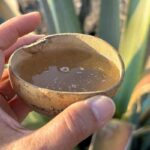
- Ingredients: Sap (aguamiel) from agave (maguey pulquero).
- Process: Heart (before flowering) is hollowed; sap pools in the cavity and is siphoned daily with an acocote; raw sap ferments quickly in jars or vats—often the same day.
- Vessels & tools: Fermentation jars, ladles, gourds; serving in jícara or mugs.
- Flavor & texture: Slightly sour, sometimes sweetened or flavored (fruit/herbs) as curado; low to moderate alcohol; best fresh.
Social rules & settings
- Who drank: Elders and ritual participants enjoyed more latitude; youths were restricted outside sanctioned events; penalties for public drunkenness varied by status and occasion.
- When/where: Calendar festivals, civic ceremonies, oath-taking, healing rites; tavern-like outlets and household settings near cultivation areas.
- Ritual frame: Offerings to deities; pulque as a boundary-marker—permitted excess on festival days, restraint otherwise.
Why it matters
- Economy: Maguey fields linked land-use, labor, and tribute; pulque sales supported households and urban markets.
- Identity & ritual: Drinking rules marked age, status, and sacred time; myths and deities bound the drink to community practice.
- Health & labor: Sugars, water, and mild alcohol made pulque a pragmatic (and regulated) staple at work feasts and ceremonies.
Connections to the Tour
- Region: Mesoamerica
- Related cultures: Mexica (Aztec), earlier highland polities
- Cross-links: See Mesoamerica → Customs & Beverages and Timeline entries on Late Postclassic festivals and market life.
Images
- Featured: Maguey (agave) field or pulque serving scene (credit: photographer/museum).
- Inline ideas:
- Siphoning with an acocote (caption what/where)
- Fermentation jars or a tinacal space (historic/archaeological)
- Codex scene referencing pulque/Mayahuel
Sources & further reading
- Bernardino de Sahagún, Florentine Codex (ethnohistoric detail on maguey and pulque)
- Patrick McGovern, Uncorking the Past (fermentation in world archaeology; pulque chapters)
- Regional museum/INAH pages on maguey cultivation and pulque production
- Studies on highland agricultural belts and market systems (Valley of Mexico)
—
Publish checklist for this post
- Categories:
- ✅ Mesoamerica (Region)
- ✅ Beverage Use (Editorial) → set Primary (Rank Math/Yoast)
- Tags:
pulque,maguey,Mayahuel,festival,Mexica,Valley of Mexico - Featured image: 16:9, ≤250 KB, alt text: “Maguey (agave) and traditional pulque serving vessel”
- Excerpt: Paste the TL;DR (or trim to ~20 words)
- SEO title: Pulque in Central Mexico — Sap, Ferment, and Festival Rules | Ancestral Spirits
- Meta description (≤155): Fermented maguey sap shaped highland Mesoamerican ritual and economy—strict rules, fresh fermentation, and festival drinking.
Make this a reusable template for future beverage posts
- Select everything from TL;DR down → Group → ⋯ More → Create pattern → Synced ON → name Post Template — Beverage Use.
If you want a second beverage post ready to go, I can draft “Cacao in Classic Maya Courts — Foam, Spices, and Power” next so your Latest in Beverage Use section has at least two items right away.