10 Ancient American Civilizations
by K.Kris Hirst, B.Ed., Illinois State University, M.A., Anthropology, University of Iowa. Kris Hirst is an archaeologist with 30 years of field experience. Her work has appeared in scholarly publications such as Archaeology Online and Science.
Key Takeaways
- The Caral-Supe civilization is the oldest known civilization in the Americas, found in Peru.
- The Olmec civilization made giant stone heads and introduced chocolate by domesticating the cacao tree.
- The Aztec civilization was highly powerful and influential in Central America when the Spanish arrived.
The continents of North and South America were “discovered” by the European civilizations in the late 15th century A.D., but people from Asia arrived in the Americas at least 15,000 years ago. By the 15th century, many American civilizations had come and gone long before but many were still vast and thriving. Sample a taste of the complexity of the civilizations of ancient America.
Caral Supe Civilization, 3000-2500 BC
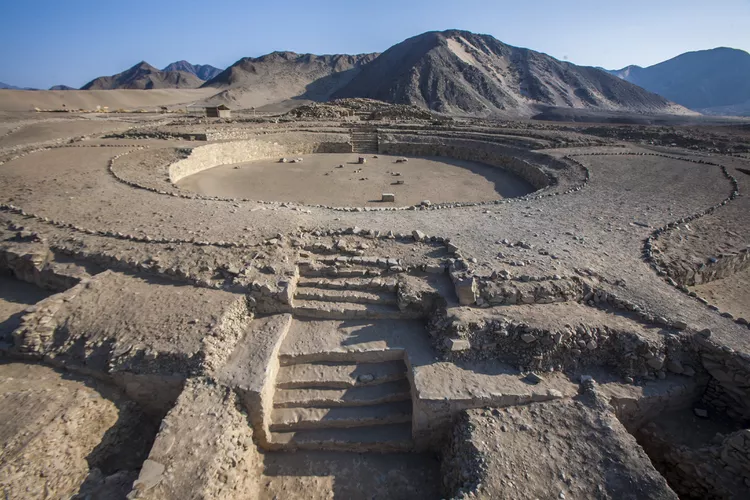
The Caral-Supe civilization is the oldest known advanced civilization in the American continents discovered to date. Discovered only as recently as the 21st century, the villages of the Caral Supe were located along the coast of central Peru. Nearly 20 separate villages have been identified, with a central place in the urban community at Caral. The city of Caral included enormous earthen platform mounds and monuments so large that they were hidden in plain sight (thought to be low hills).
Olmec Civilization, 1200-400 BC
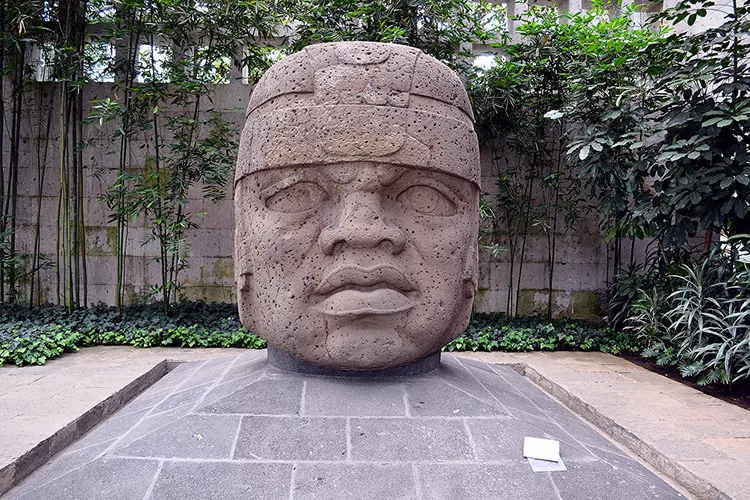
The Olmec civilization flourished on the Gulf Coast of Mexico and constructed the first stone pyramids in the North American continent, as well as the famous stone “baby-faced” head monuments. The Olmec had kings, built enormous pyramids, invented the Mesoamerican ballgame, domesticated beans, and developed the earliest writing in the Americas. The Olmec also domesticated the cacao tree and gave the world chocolate!
Maya Civilization, 500 BC-800 AD
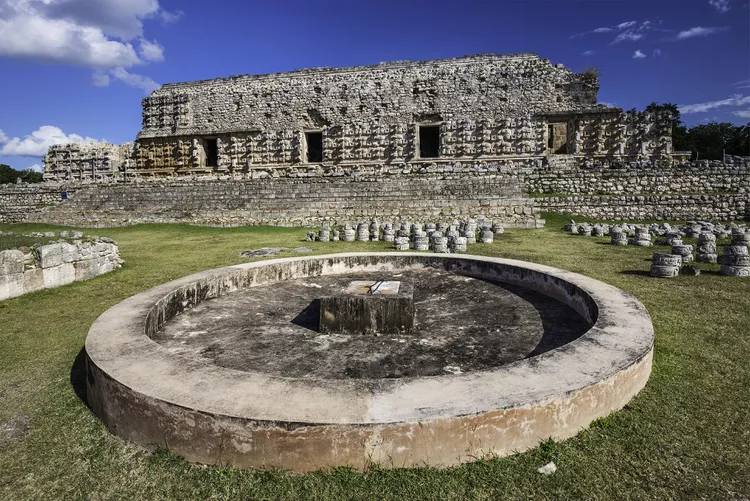
The ancient Maya Civilization occupied much of the central North American continent based on the Gulf Coast of what is now Mexico between 2,500 B.C. and 1,500 A.D. The Maya were a group of independent city-states that shared cultural qualities including complex artwork (particularly murals), advanced water control systems, and graceful pyramids.
Zapotec Civilization, 500 BC-750 AD
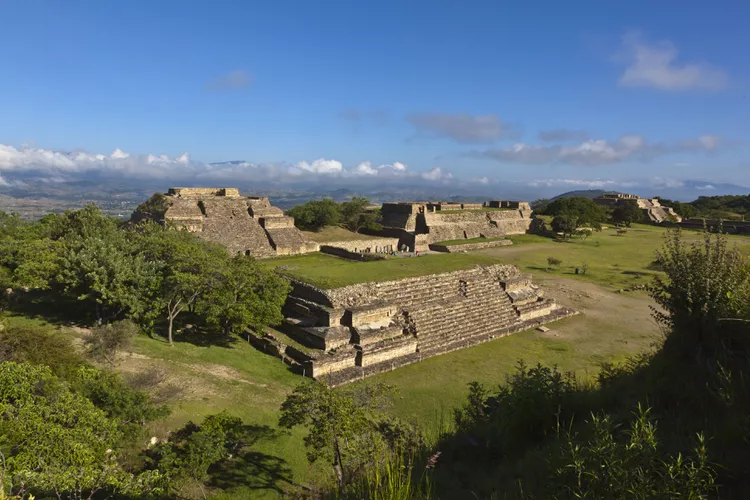
The capital city of the Zapotec Civilization is Monte Alban in the valley of Oaxaca in central Mexico. Monte Alban is one of the most intensively studied archaeological sites in the Americas and one of the few “disembedded capitals” in the world. The capital is known for its astronomical observatory Building J and Los Danzantes, a stunning carved record of captive and slain warriors and kings.
Nasca Civilization, 1-700 AD
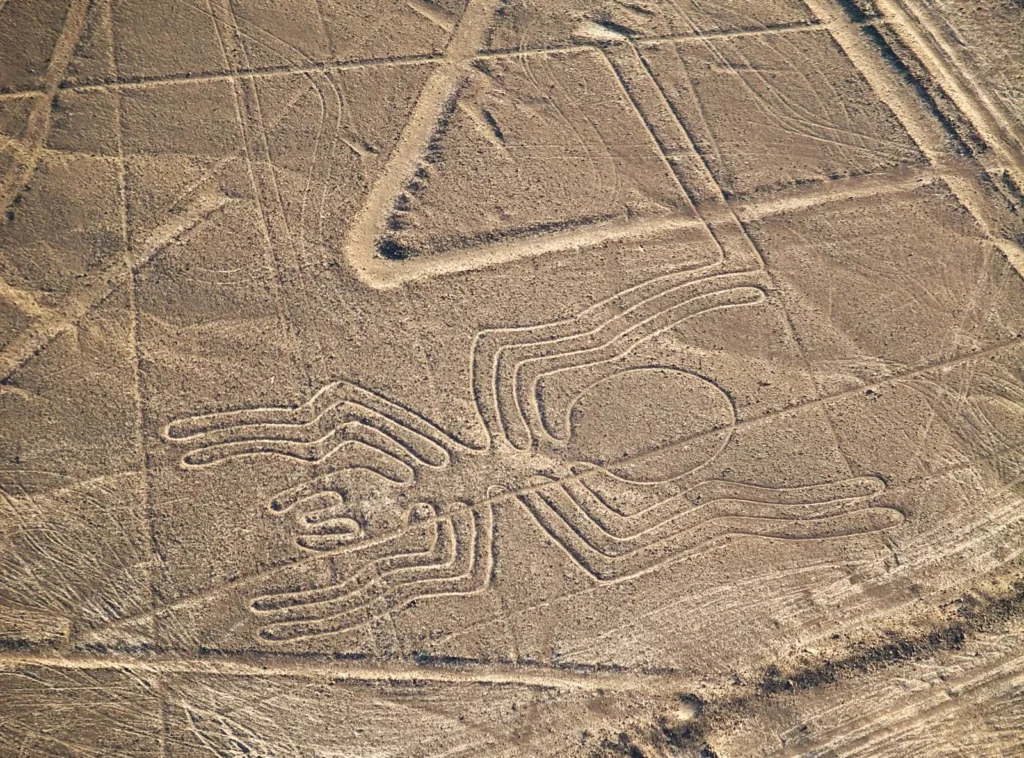
The people of the Nasca civilization on the south coast of Peru are best known for drawing huge geoglyphs. These are geometric drawings of birds and other animals made by moving around the varnished rock of the vast arid desert. They were also master makers of textiles and ceramic pottery.
par
Tiwanaku Empire, 550-950 AD
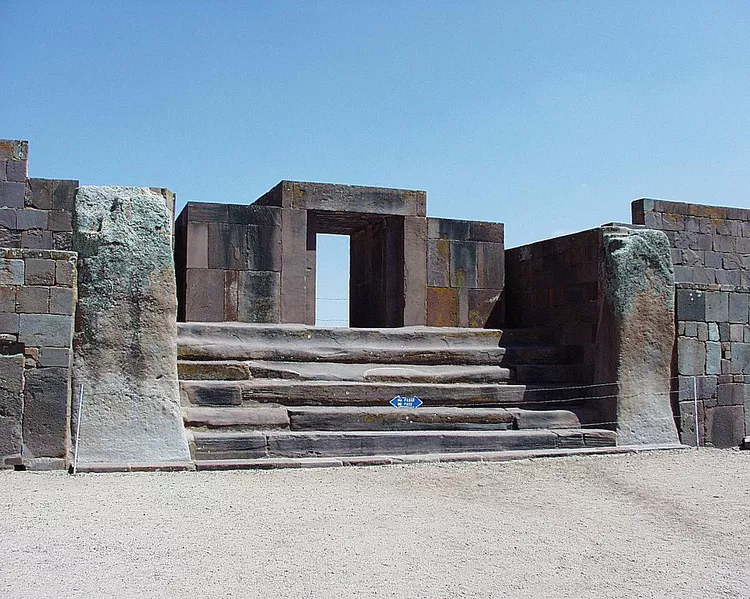
The capital of the Tiwanaku Empire was situated on the shores of Lake Titicaca on both sides of the border between what today is Peru and Bolivia. Their distinctive architecture shows evidence of construction by workgroups. During its heyday, Tiwanaku (also spelled Tiahuanaco) controlled much of the southern Andes and coastline of South America.
Wari Civilization, 750-1000 AD
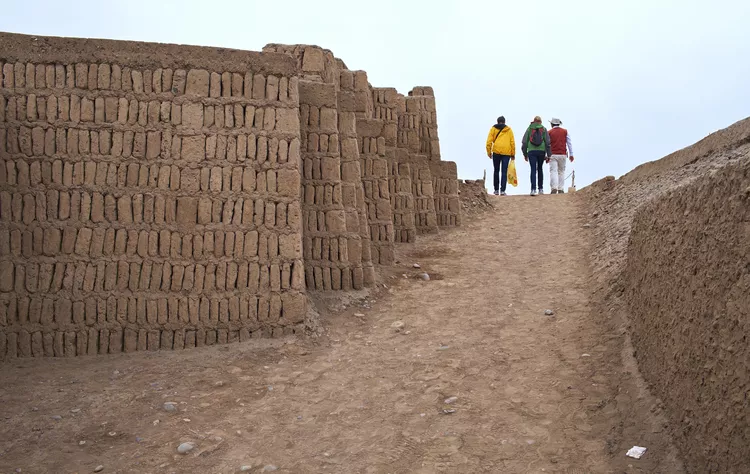
In direct competition with Tiwanaku was the Wari (also spelled Huari) state. The Wari state was located in the central Andes mountains of Peru, and their impact on the succeeding civilizations is remarkable, seen at sites like Pachacamac.
Inca Civilization, 1250-1532 AD
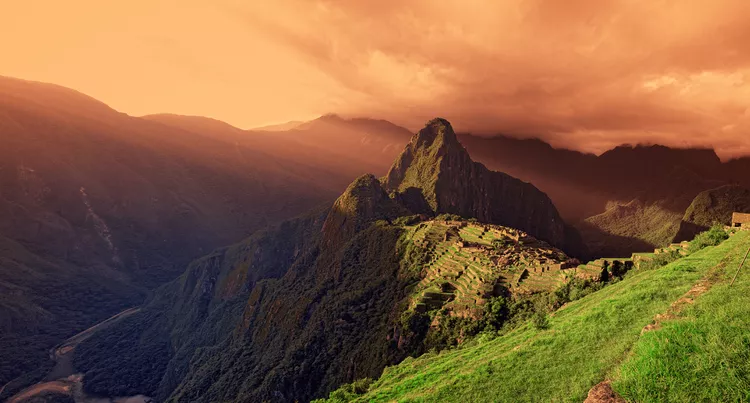
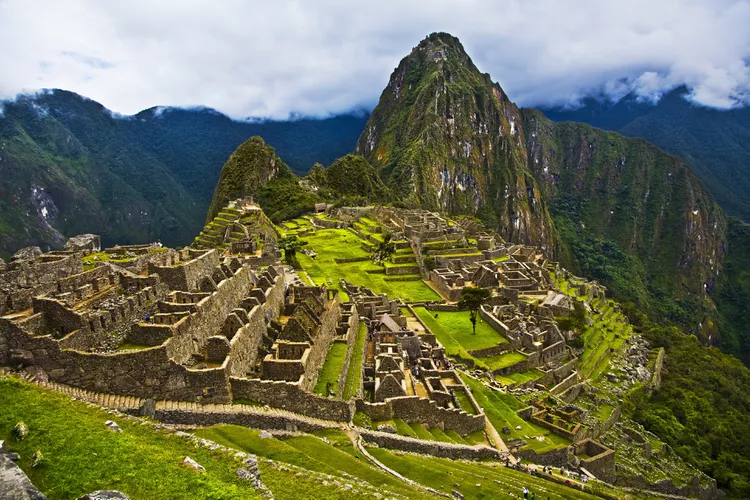
The Inca civilization was the largest in the Americas when the Spanish conquistadors arrived in the early 16th century. Known for their unique writing system (called the quipu), a magnificent road system, and the lovely ceremonial center called Machu Picchu, the Inca also had some \interesting burial customs and an amazing ability to build earthquake-proof buildings.
Mississippian Civilization, 1000-1500 AD
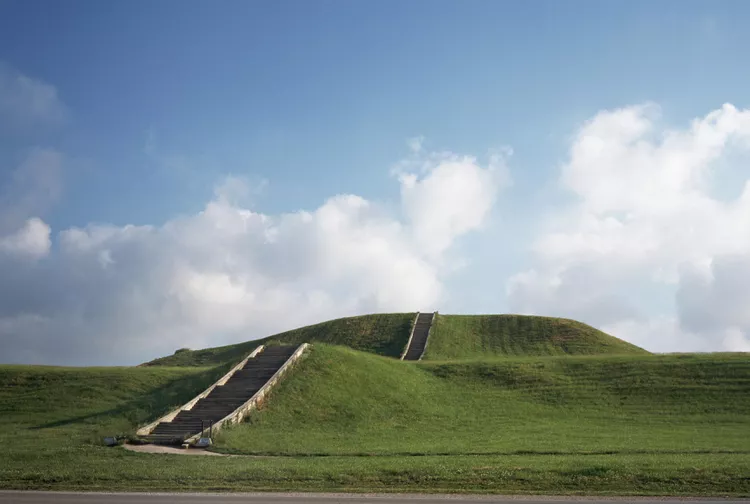
The Mississippian culture is a term used by archaeologists to refer to cultures inhabiting the length of the Mississippi River, but the highest level of sophistication was reached in the central Mississippi River valley of southern Illinois, near present-day St. Louis, Missouri, and the capital city of Cahokia. We know quite a bit about the Mississippians in the American Southeast because they were first visited by the Spanish in the 17th century.
Aztec Civilization, 1430-1521 AD
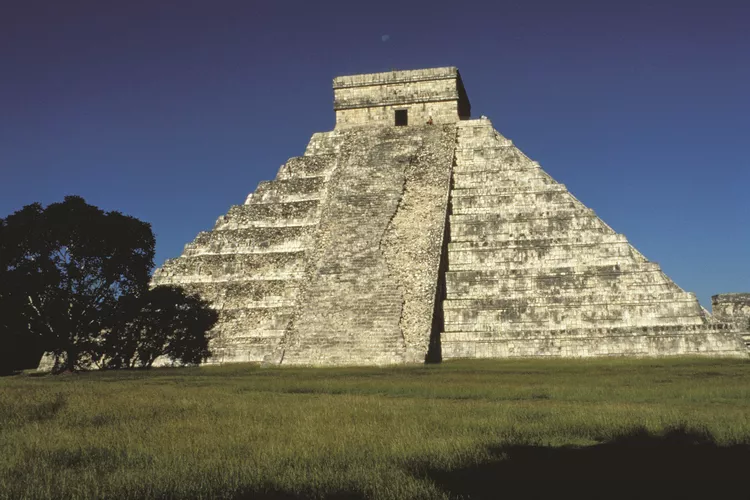
The best-known civilization in the Americas is perhaps the Aztec civilization, largely because they were at the height of their power and influence when the Spanish arrived. Warlike, intractable, and aggressive, the Aztecs conquered much of Central America. But the Aztecs are so much more than simply warlike.
Hirst, K. Kris. “10 Ancient American Civilizations.” ThoughtCo, Apr. 4, 2025, thoughtco.com/top-ancient-american-civilizations-169511.